
Introduction: The Micro-Architects of Human Health
In the modern pursuit of health and peak performance, the conversation often revolves around macronutrients—proteins, carbohydrates, and fats—or well-known vitamins like C and D. However, beneath the surface of these primary nutrients lies a hidden foundation of biological vitality: trace minerals. Although they account for less than 0.01% of total body weight, these micronutrients act as the essential sparks that ignite thousands of enzymatic reactions, structural developments, and hormonal balances.
As we delve deeper into the science of longevity, it is becoming increasingly clear that the secret to aging gracefully and maintaining high physical performance does not just lie in what we consume in bulk, but in the precision of what we consume in microscopic quantities. This article explores why trace minerals are the invisible power behind human longevity and why their deficiency is one of the most overlooked crises in modern nutrition.
The Biological Catalyst: How Trace Minerals Drive Life
To understand longevity, one must understand cellular efficiency. Every second, your body performs millions of chemical transformations. These are facilitated by enzymes, which are specialized proteins that require a “cofactor” to function. In many cases, that cofactor is a trace mineral.
Without sufficient zinc, DNA polymerase cannot accurately replicate genetic code, leading to mutations that accelerate cellular aging. Without selenium, glutathione peroxidase—the body’s master antioxidant—cannot neutralize the oxidative stress that damages our mitochondria. When these microscopic cogs in the biological machine fail, the result is not immediate death, but a slow, progressive decline in systemic efficiency. This decline is what we commonly recognize as “aging.”h2Key Players in the Longevity Equation
While every trace element has a role, certain minerals stand out for their profound impact on lifespan and healthspan:

1. Zinc: The Master of Cellular Repair
Zinc is involved in over 300 enzymatic reactions. Its most critical role in longevity is its contribution to the immune system and DNA stability. Chronic zinc deficiency is linked to “inflammaging”—a state of chronic, low-grade inflammation that drives age-related diseases such as cardiovascular decline and neurodegeneration.
2. Selenium: The Guardian Against Oxidative Stress
Selenium is a constituent of selenoproteins, which are vital for thyroid hormone metabolism and protecting cells from oxidative damage. By maintaining the integrity of the cellular membrane, selenium ensures that our cells remain resilient against environmental toxins and metabolic byproducts.
3. Copper: The Energy Conductor
Often misunderstood, copper is essential for the production of ATP (cellular energy) and the maintenance of collagen and elastin in the vascular system. Longevity is impossible without a healthy heart and flexible arteries, both of which rely on the delicate balance of copper.
4. Manganese: The Bone and Joint Protector
As we age, skeletal integrity becomes a primary concern. Manganese is a key cofactor for enzymes involved in bone formation and the production of superoxide dismutase (SOD), an antioxidant located specifically within the mitochondria where energy production occurs.
The Modern Deficiency Crisis: Why Soil Depletion Matters
If these minerals are so vital, why are we suddenly so deficient in them? The answer lies in the industrialization of our food system. Over the last century, intensive farming practices have prioritized yield and caloric density over nutrient density.
Plants can only absorb minerals that are present in the soil. When soil is treated with NPK (Nitrogen, Phosphorus, Potassium) fertilizers, it lacks the broader spectrum of trace elements found in natural ecosystems. Consequently, a spinach leaf grown today contains significantly fewer minerals than a spinach leaf grown in 1950. Furthermore, the consumption of refined foods—particularly refined white salt and processed grains—strips away what little trace minerals remain, leaving the modern consumer “overfed but undernourished.”
Biohacking Longevity: Optimization vs. Sufficiency
For the biohacker or the high-performance athlete, merely avoiding a clinical deficiency is not enough. The goal is optimization. Longevity is not just about living a long time; it is about maintaining “Peak Physical Performance” well into one’s later decades.
Optimization involves identifying the specific mineral ratios that support your unique metabolic needs. For instance, the ratio of zinc to copper or magnesium to calcium is often more important than the absolute amount of any single mineral. Achieving this balance requires a shift from synthetic supplements toward whole-food sources and unrefined, mineral-rich salts that provide these elements in their natural, bioavailable forms.
The Role of High-Quality Salt in Mineral Delivery
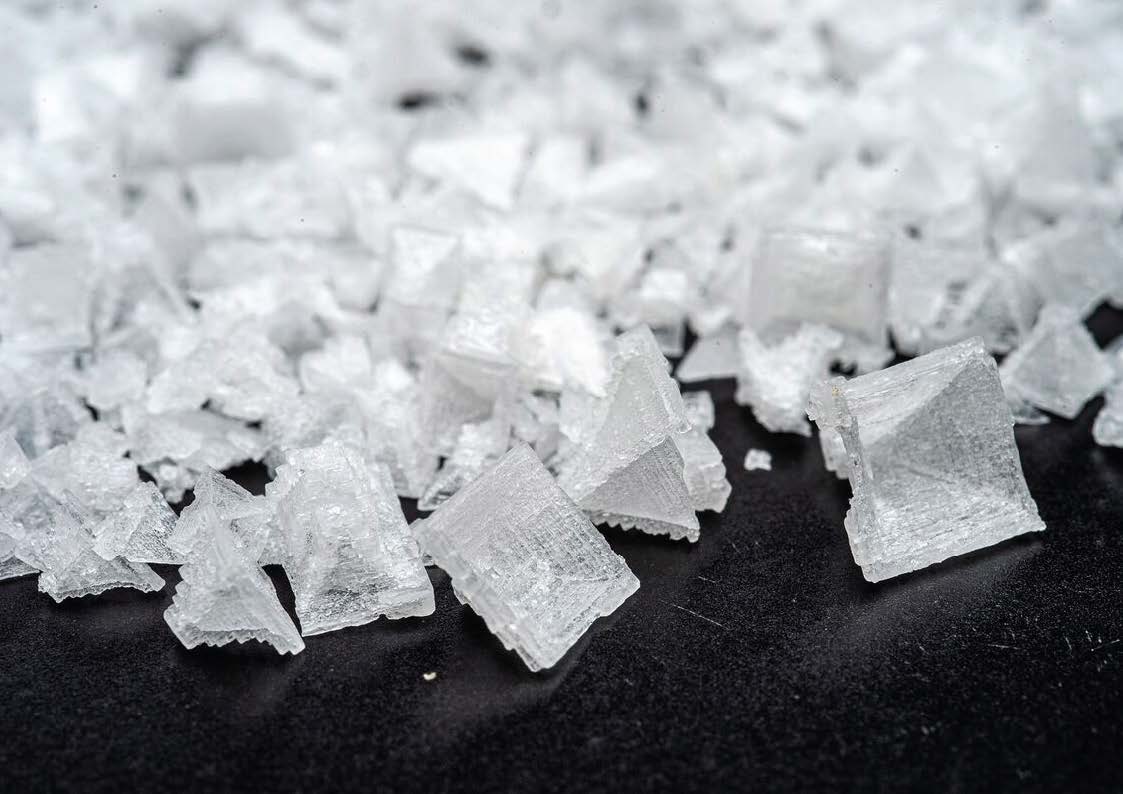
One of the most efficient ways to reintroduce trace minerals into the diet is through the consumption of high-quality, unrefined salt. Unlike industrial table salt, which is 99% sodium chloride and stripped of all secondary elements, natural sea salts or “The Flake” salts retain the mineral profile of the ancient oceans.
These salts contain a symphony of trace elements, including boron, chromium, vanadium, and lithium, in concentrations that mirror human blood plasma. By integrating these mineral-dense salts into daily hydration and nutrition, individuals can ensure a steady, balanced intake of the micro-architects required for long-term health.
Conclusion: Investing in Your Micro-Foundations
Longevity is not the result of a single “superfood” or a miracle drug. It is the cumulative effect of providing your body with the raw materials it needs to repair, replicate, and regenerate itself with precision. Trace minerals may be invisible to the naked eye, but their absence is clearly visible in the form of fatigue, chronic illness, and premature aging.
By shifting our focus toward these microscopic powerhouses—through mineral-dense nutrition, soil-conscious food choices, and unrefined salts—we can protect our DNA, empower our mitochondria, and unlock the true potential of our biological lifespan. The path to peak performance and a long, vibrant life is built on a foundation of trace minerals.