
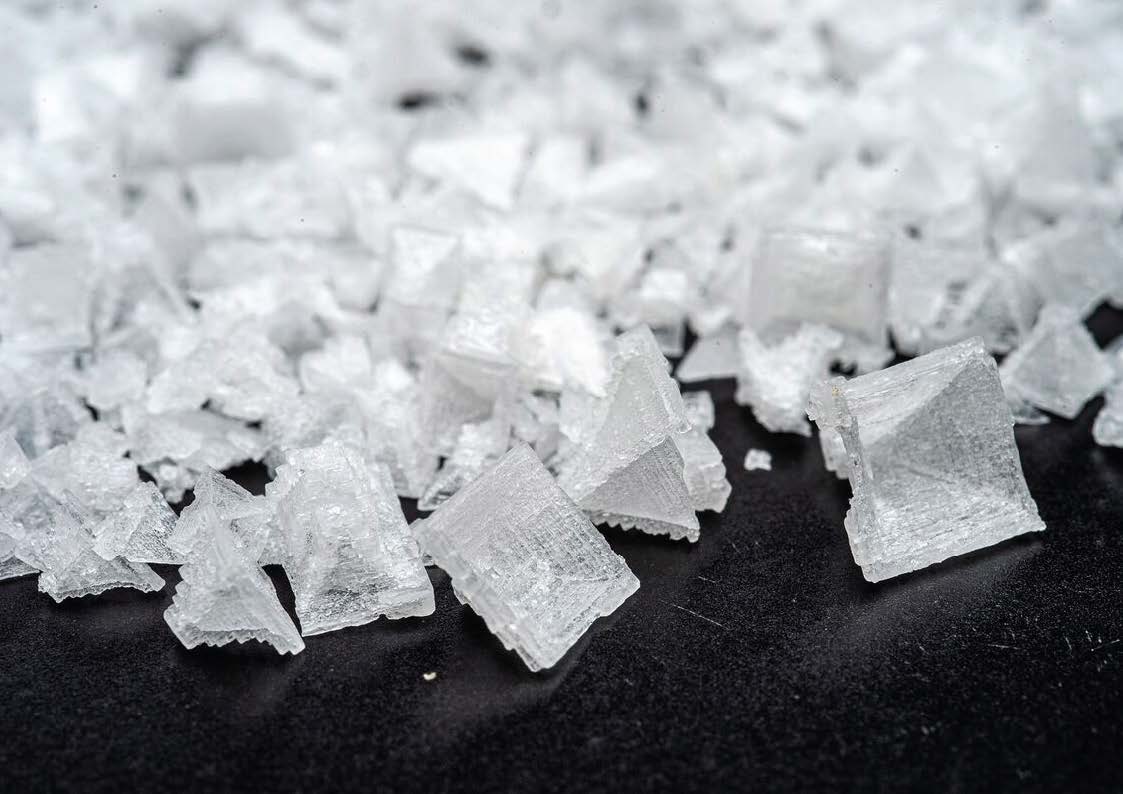
“Most athletes focus on macros, but they overlook the tiny sparks that ignite human performance: trace minerals.”
The Missing Link in Modern Nutrition
Why Modern Diets Are Becoming Deficient in Trace Elements
Modern society has access to more food than at any other time in human history. Supermarkets are overflowing, nutritional supplements have become a massive industry, and information about proteins, carbohydrates, and fats is everywhere.
Yet despite this abundance, fatigue, metabolic disorders, chronic inflammation, weakened immunity, and cognitive decline continue to rise.
One of the overlooked reasons may be the silent collapse of trace elements in the modern diet.
Trace elements such as magnesium, zinc, selenium, vanadium, lithium, strontium, chromium, and other mineral cofactors are required only in tiny amounts, yet they play essential roles in:
- enzyme activation
- mitochondrial energy production
- nerve signaling
- hormone regulation
- cellular communication
- antioxidant defense systems
The problem is that modern food systems have evolved in ways that steadily remove these elements from daily life.
1. Depleted Soil — Food Increased, Mineral Density Declined
Modern agriculture was redesigned for yield, speed, and appearance.
Fertilizer systems focused primarily on nitrogen (N), phosphorus (P), and potassium (K) dramatically increased crop production, but they also disrupted the broader mineral ecology of soil.
As a result:
- crops became larger
- harvests became more efficient
- but micronutrient density declined
Repeated farming cycles, soil acidification, loss of organic matter, and reduced microbial diversity have all contributed to mineral-depleted farmland.
In many cases, plants simply cannot absorb the same range of trace minerals they once did.
This has created a paradox:
We live in an age of caloric abundance but nutritional dilution.
2. Food Processing Removes Mineral Complexity
Modern food manufacturing prioritizes:
- shelf life
- texture
- sweetness
- appearance
- uniformity
Unfortunately, trace minerals are often removed first during refinement and processing.
Examples include:
| Natural Food | Processed Form | Mineral Loss |
|---|---|---|
| Brown rice | White rice | Magnesium, zinc, manganese |
| Whole wheat | Refined flour | Selenium, chromium |
| Natural salt | Refined salt | Trace mineral removal |
| Mineral water | Purified water | Ionic diversity reduction |
Modern diets increasingly favor foods that are:
- soft
- rapidly absorbed
- highly refined
- heavily processed
These characteristics are often the opposite of mineral-rich nutrition.
The result is a population consuming high energy but lower metabolic quality.
3. Modern Stress Increases Mineral Consumption
The issue is not only reduced intake.
Modern lifestyles also increase mineral depletion.
Chronic stressors accelerate the body’s consumption of essential trace elements:
- psychological stress
- sleep deprivation
- excessive caffeine
- alcohol consumption
- high-sugar diets
- chronic inflammation
- environmental pollutants
For example:
- stress increases magnesium loss
- inflammation rapidly consumes zinc and selenium
- insulin resistance disrupts chromium metabolism
Modern humans are therefore living in conditions that both reduce intake and increase demand simultaneously.
4. Water Has Changed — From Mineralized Water to Purified Water
For most of human history, people consumed water naturally enriched with minerals through:
- groundwater
- spring water
- river systems
- naturally circulated marine environments
Today, advanced purification systems remove contaminants effectively, but they often remove beneficial mineral ions as well.
Reverse osmosis (RO) systems are a major example.
Extremely purified water may be chemically clean, but biologically mineral-poor.
The human body is not powered by H₂O alone.
It operates through delicate electrochemical interactions dependent on electrolytes and trace ions.
5. Salt Was Simplified Into Sodium Alone
Modern nutrition has long treated salt as if it were only sodium chloride.
But natural mineral salts are far more complex.
Depending on origin and processing, they may contain small amounts of:
- magnesium
- potassium
- calcium
- boron
- lithium
- strontium
- vanadium
- other trace minerals
Industrial refinement removed much of this complexity, producing highly purified sodium chloride while stripping away broader mineral diversity.
As a result, many modern diets are characterized by:
excess sodium, but insufficient mineral balance.
6. Trace Elements Are Not Just Nutrients — They Are Biological Regulators
Trace elements do not simply “feed” the body.
They regulate biological systems.
Examples include:
- Zinc → enzyme function
- Selenium → antioxidant defense
- Magnesium → ATP stabilization
- Chromium → glucose metabolism
- Vanadium → insulin-mimetic research
- Lithium → neurological regulation research
- Strontium → bone metabolism research
Though required only in microscopic amounts, these elements influence large-scale physiological processes.
Modern nutrition science became heavily focused on calories and macronutrients, while the subtle regulatory network of trace minerals received far less attention.
The Nature of Deficiency Has Changed
Historical malnutrition was often defined by:
- starvation
- protein deficiency
- severe vitamin deficiency
Modern deficiency is different.
Today, many people consume enough calories while remaining deficient in critical micronutrient complexity.
In other words:
“The stomach may be full, while the cells remain undernourished.”
The Future of Nutrition May Depend on Mineral Balance
The next frontier of nutrition is no longer simply about eating more.
The real questions are becoming:
- How diverse is the mineral profile?
- How bioavailable are the minerals?
- How do trace elements interact synergistically?
- How are minerals delivered and absorbed at the cellular level?
This is why naturally mineral-balanced resources — including deep ocean mineral systems — are drawing increasing scientific attention as potential models for restoring micronutrient complexity in modern diets.
Essential Trace Minerals for Athletes
The Overlooked Foundation of Performance and Recovery
Athletic performance is often associated with protein intake, carbohydrates, hydration, and training intensity. But beneath all of these lies a quieter layer of human performance: trace minerals.
Even in extremely small amounts, trace elements regulate energy production, muscle recovery, hormone function, oxygen transport, antioxidant defense, and skeletal resilience.
For athletes, mineral depletion can occur rapidly through:
- sweating
- intense metabolic activity
- oxidative stress
- inflammation
- repetitive physical strain
Among the many trace minerals required by the body, three are especially important for long-term athletic performance and recovery.

1. Zinc — The Mineral of Hormone Balance and Recovery
ATP→Energy Production
Zinc plays a critical role in:
- testosterone regulation
- immune function
- muscle repair
- protein synthesis
- enzymatic reactions
Athletes with inadequate zinc intake may experience:
- reduced recovery speed
- lower endurance
- weakened immunity
- hormonal imbalance
- decreased training adaptation
Because zinc is heavily involved in cellular repair and anabolic processes, intense exercise can increase zinc turnover significantly.
Research has also linked zinc deficiency to decreased testosterone production and impaired athletic recovery.
Natural sources of zinc include:
- oysters and seafood
- red meat
- pumpkin seeds
- legumes
- mineral-rich salts and waters
For athletes, zinc is not simply a “supplement mineral.”
It is part of the biological machinery that allows adaptation after physical stress.
2. Copper — The Hidden Driver of Energy Production
Copper is rarely discussed in sports nutrition, yet it is deeply connected to aerobic metabolism and mitochondrial function.
Copper contributes to:
- iron utilization
- oxygen transport
- collagen formation
- mitochondrial respiration
- antioxidant defense enzymes
Without sufficient copper, the body struggles to efficiently produce cellular energy.
This becomes especially important in endurance sports where oxygen metabolism determines sustained performance.
Copper-dependent enzymes are also involved in reducing oxidative damage generated during intense exercise.
In practical terms, low copper status may contribute to:
- chronic fatigue
- poor endurance
- slow connective tissue recovery
- decreased exercise efficiency
Copper works closely with iron and zinc, meaning balance matters more than isolated intake.
Natural copper sources include:
- shellfish
- organ meats
- nuts and seeds
- cacao
- deep mineral waters
Athletic performance is not powered by muscles alone.
It is powered by the efficiency of the mitochondria inside those muscles.
3. Manganese — Essential for Bone and Joint Resilience
Athletes place enormous stress on the skeletal system.
Running, jumping, lifting, and repetitive impact continuously challenge:
- bones
- cartilage
- ligaments
- connective tissues
Manganese is essential for maintaining this structural integrity.
It contributes to:
- bone mineralization
- collagen synthesis
- cartilage formation
- antioxidant enzyme activity
- connective tissue metabolism
Manganese is also involved in the production of superoxide dismutase (MnSOD), one of the body’s key mitochondrial antioxidant enzymes.
This is particularly important because intense exercise dramatically increases oxidative stress.
Insufficient manganese may affect:
- joint recovery
- bone resilience
- connective tissue repair
- long-term skeletal durability
Natural sources include:
- whole grains
- nuts
- leafy greens
- tea
- mineral-rich marine sources
For athletes, strong bones are not enough.
The body also requires resilient connective tissue and efficient cellular protection systems.
Modern Athletes Often Lose More Minerals Than They Replace
One of the hidden problems in modern sports nutrition is that athletes may consume:
- enough calories
- enough protein
- enough supplements
while still lacking mineral complexity.
Sweating alone removes substantial amounts of electrolytes and trace minerals. Combined with processed diets and purified water systems, many athletes operate in a state of gradual micronutrient depletion.
Performance is not determined only by training intensity.
It is also determined by whether the body possesses the microscopic cofactors required to sustain recovery, adaptation, and energy metabolism.
The Future of Sports Nutrition Is Moving Beyond Macros
For years, sports nutrition focused primarily on:
- protein
- carbohydrates
- hydration
- caloric intake
But the next evolution of performance science may increasingly focus on:
- trace mineral balance
- electrolyte diversity
- mitochondrial efficiency
- bioavailability
- mineral synergy
Because at the cellular level, athletic performance is fundamentally electrochemical.
And electrochemical systems depend on minerals.
How to Optimize Your Intake with Quality Salt
Why the Type of Salt You Choose Matters More Than Ever
For decades, salt has been treated as something simple — a substance to reduce, avoid, or fear.
But not all salt is the same.
There is a profound difference between highly refined industrial sodium chloride and naturally mineral-balanced salts formed through complex environmental processes.
The conversation is no longer just about sodium intake.
It is about mineral quality, balance, and biological complexity.

Salt Is More Than Sodium
The human body relies on electrolytes and trace minerals for nearly every major physiological process:
- hydration balance
- nerve signaling
- muscle contraction
- energy metabolism
- pH regulation
- cellular communication
While sodium is essential, the body also depends on complementary minerals such as:
- magnesium
- potassium
- calcium
- zinc
- selenium
- trace marine minerals
Traditionally, humans consumed salts that naturally contained a wider mineral spectrum. Modern industrial refinement changed that.
Most refined table salts are designed for:
- uniformity
- mass production
- extended shelf life
- ultra-high sodium chloride purity
In the process, much of the original mineral diversity is removed.
The Problem with Over-Refined Salt
Highly refined salt may deliver sodium efficiently, but it often lacks the broader mineral profile found in naturally sourced salts.
This creates an imbalance in modern diets where people frequently consume:
high sodium, but low mineral diversity.
At the same time, modern lifestyles increase mineral demand through:
- chronic stress
- processed foods
- excessive sweating
- caffeine intake
- environmental stressors
- intense physical activity
The result is a growing need for more balanced mineral nutrition.
Why Mineral-Rich Salt Matters
Quality salt is not about consuming excessive sodium.
It is about supporting electrolyte balance with a more natural mineral composition.
Mineral-rich salts may contribute to:
- improved hydration efficiency
- better electrolyte balance
- enhanced taste perception
- support for active lifestyles
- broader trace mineral intake
The key is not quantity, but quality and balance.
Deep Ocean Mineral Salt — A Different Origin
Among naturally sourced salts, deep ocean mineral salt has attracted increasing attention because of the environment from which it originates.
Deep ocean water forms through long-term marine circulation occurring hundreds to thousands of meters below the surface, isolated from many surface-level contaminants and environmental fluctuations.
During this process, the water maintains a complex mineral composition shaped by geological and oceanic cycles over immense periods of time.
This creates conditions fundamentally different from many conventional salt sources.
The Philosophy Behind Lighthouse Salt
Lighthouse Salt was developed with the idea that salt should not merely be “white sodium crystals,” but part of a broader mineral ecosystem.
Produced using deep ocean water from the eastern coast of Korea, Lighthouse Salt focuses on preserving mineral balance rather than pursuing extreme refinement.
Instead of emphasizing sodium purity alone, the approach values:
- natural mineral complexity
- clean marine sourcing
- trace element diversity
- smooth salinity profile
- balanced taste and functionality
The result is a salt designed not only for seasoning, but also for modern consumers increasingly interested in mineral-conscious nutrition.

Taste Is Also Chemistry
One reason mineral-rich salts often taste different is because flavor itself is influenced by mineral composition.
Magnesium, potassium, calcium, and trace marine elements subtly affect:
- salinity perception
- mouthfeel
- aftertaste
- flavor depth
This is why many chefs and culinary professionals prefer less aggressively refined salts for finishing and ingredient balancing.
Salt is not just a seasoning.
It is part of the chemistry of food.
Optimizing Salt Intake in a Modern Lifestyle
Improving salt quality does not mean dramatically increasing salt consumption.
Instead, optimization often involves:
- choosing less refined mineral-rich salts
- maintaining hydration balance
- consuming mineral-diverse foods
- avoiding excessive ultra-processed foods
- supporting electrolyte replenishment during stress or exercise
The goal is balance — not excess.
The Future of Salt Is About Mineral Intelligence
For years, nutritional discussions reduced salt to a single number: sodium.
But modern research increasingly recognizes that biological systems operate through interconnected mineral networks.
The future of nutrition may depend less on eliminating salt entirely and more on understanding:
- mineral balance
- trace element diversity
- electrolyte synergy
- bioavailability
- source quality
In that sense, quality salts sourced from naturally mineral-rich environments — including deep ocean mineral salts like Lighthouse Salt — represent a return to a more complete understanding of what salt originally was.